
Today, 19 years after the decriminalization of abortion in Mexico City marked a turning point in the quest for legal, safe and free access to abortion, we must ask ourselves what it means in 2026. It was the recognition of abortion as a reproductive right, becoming a beacon of hope for Mexico and for the regional agenda of sexual and reproductive rights.
What happened in 2007 was the result of a struggle that began decades ago and of the work of accompaniers who had the contexts of criminalization as a trench; many of us had not yet been born.
And yet, access to abortion is a right that is still disputed today despite the fact that in most states abortion is decriminalized, and here is a great lesson that had to be learned the hard way: Decriminalizing abortion is not the same as accessing it. While Mexico City has efficient abortion access services that have been consolidated over the years, the rest of the country does not, and that tells us about impediments that escape the criminal and constitutional justice processes.
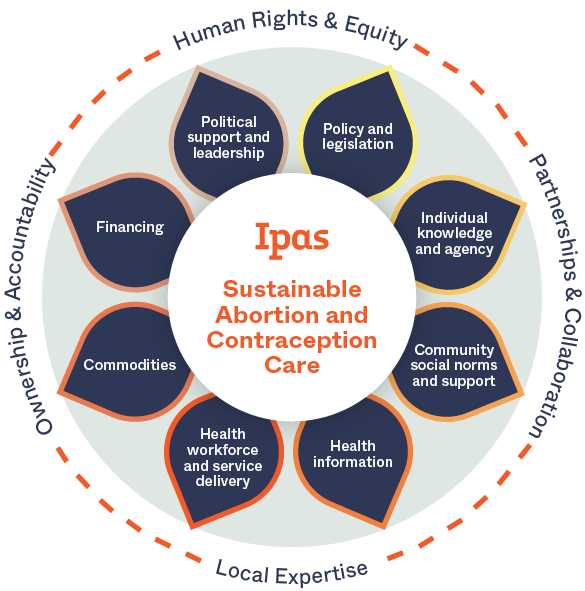
On this path, the work of organizations that have sustained this struggle on different fronts has also been key. I think of Ipas LAC, for example, as part of this effort to continue moving the conversation, accompanying processes, producing evidence and defending abortion as what it is: a health issue and a right. At a time when rights are disputed every day, this work also helps to imagine and build the horizon that we are still missing.
History has shown us that no right is guaranteed and that is why we must not take our finger off the ball. Today it is a priority to dismantle the barriers that continue to hinder access to abortion; the struggle for this right does not end with having achieved decriminalization.
But, if I had to summarize in one word the path that opened the decriminalization of abortion in Mexico City in 2007, that word would be possible.

Sofia Regalado
Member of the Ipas LAC Legislative Assembly and Co-Founder of Morras Help Morras.
Recent Comments