
To have an abortion is to choose. When you decide to terminate a pregnancy, you exercise your right to make decisions about your body, your life, and your future. You can also choose how to do it—that is, your preferred method, as well as where and when you wish to go through this process.
Among the many myths surrounding abortion is the belief that it can only be performed in a hospital setting, through an invasive surgical procedure where the individual is left alone. However, these types of procedures are occurring less and less frequently worldwide.
The World Health Organization (WHO) recommends pharmacological treatment as the first choice for safe abortion, using either misoprostol alone or the combined mifepristone and misoprostol regimen.
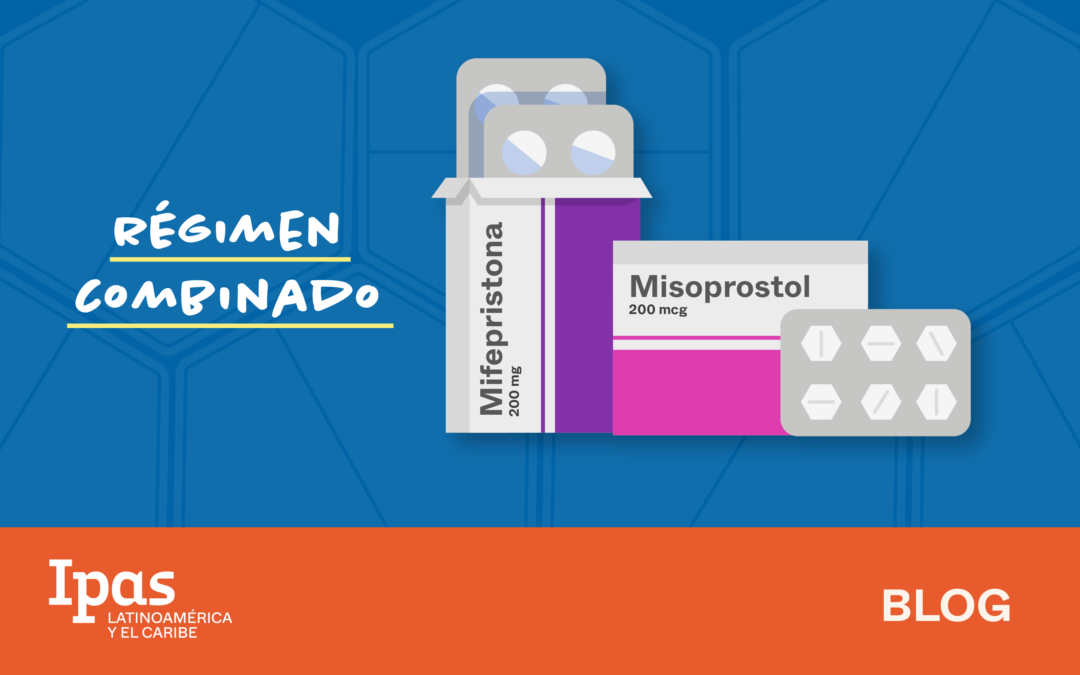
Here, we discuss the combined mifepristone and misoprostol regimen. This option is more effective than misoprostol alone and is recommended for medication abortion prior to 13 weeks of gestation.
This regimen has efficacy rates exceeding 95%, ongoing pregnancy rates of approximately 2%, and complication rates ranging from 1% to 3%.
Another advantage of the combination regimen is that, by using both medications, expulsion occurs more quickly. The median time to completion of the abortion is 6 to 10 hours after initiating misoprostol, although some individuals require more time to achieve a complete abortion. Following completion of the procedure, a routine follow-up visit is not required.
The only challenge in carrying out an abortion using both medications is that mifepristone is not available in several countries across the region.
For a mifepristone and misoprostol abortion before 13 weeks, follow these three steps:
- Step 1: Swallow one mifepristone tablet (200 mg) with water.
- Step 2: Wait 1–2 days (24 hours is recommended) before administering the misoprostol tablets.
- Step 3: Place 4 misoprostol tablets (200 mcg each) either under the tongue (sublingually) or between your cheeks and gums, two tablets on each side (buccal route); allow them to dissolve on their own for 30 minutes, and swallow any remaining fragments with water.
- The vaginal route may also be used for misoprostol (some countries carry this formulation). Insert the tablets vaginally using your fingers, pushing them as deep as possible; then, remain lying down for 30 minutes until the tablets dissolve.
- With vaginal administration, tablet remnants may be detected even several hours later. Inserting misoprostol vaginally is not recommended if you live in a location where abortion is legally restricted, as you may face questioning if you seek medical evaluation.
If your pregnancy is beyond 13 weeks, having the procedure supervised by a healthcare professional adequately trained in abortion care is recommended, as additional doses of the medication may be required.
Having the correct dosage of the combined medication is vital to ensure the procedure is safe and successful. Another key aspect is ensuring you are fully informed and prepared.
Although complications are rare, you must watch for warning signs and seek immediate care from a healthcare professional adequately trained in abortion and post-abortion care if you experience:
- Excessive and continuous bleeding, especially if soaking through 2 or more maxi pads, or their equivalent, every hour for 2 or more consecutive hours.
- Severe lower abdominal pain that does not subside with pain medication (this may indicate an ectopic pregnancy, which is considered a medical emergency).
- Unusual, foul-smelling vaginal discharge.
- A high fever lasting more than 24 hours.
- Severe dizziness or fainting.
- An allergic reaction to the medication, manifesting as hives or a rash.
- Failure to bleed within 24 hours of taking the final dose of the abortion medications.
- Even where abortion is legally restricted, emergency medical care is always legal. You are not required to disclose that you took medications to induce an abortion if you do not wish to; you may state that you are experiencing a spontaneous miscarriage, as clinical post-abortion care remains the same.
While the experience of medication abortion varies from person to person, it can be painful in some cases. Cramping in the lower abdomen is typically stronger than menstrual cramps and is a good indication that the medication is taking effect. As gestational age advances, the process may become more painful.
To manage pain, you may take ibuprofen or other available non-steroidal anti-inflammatory drugs (provided you have no known allergies) approximately 30 minutes before your first dose of misoprostol. Applying a hot water bottle or heating pad to the lower abdomen may also provide relief.
Recent Comments