by Ana Martha Sanchez | Feb 16, 2026 | Abortion, legal and regulatory frameworks, Abortion, legal and regulatory frameworks, Sexual and Reproductive Rights, Sexual and Reproductive Rights
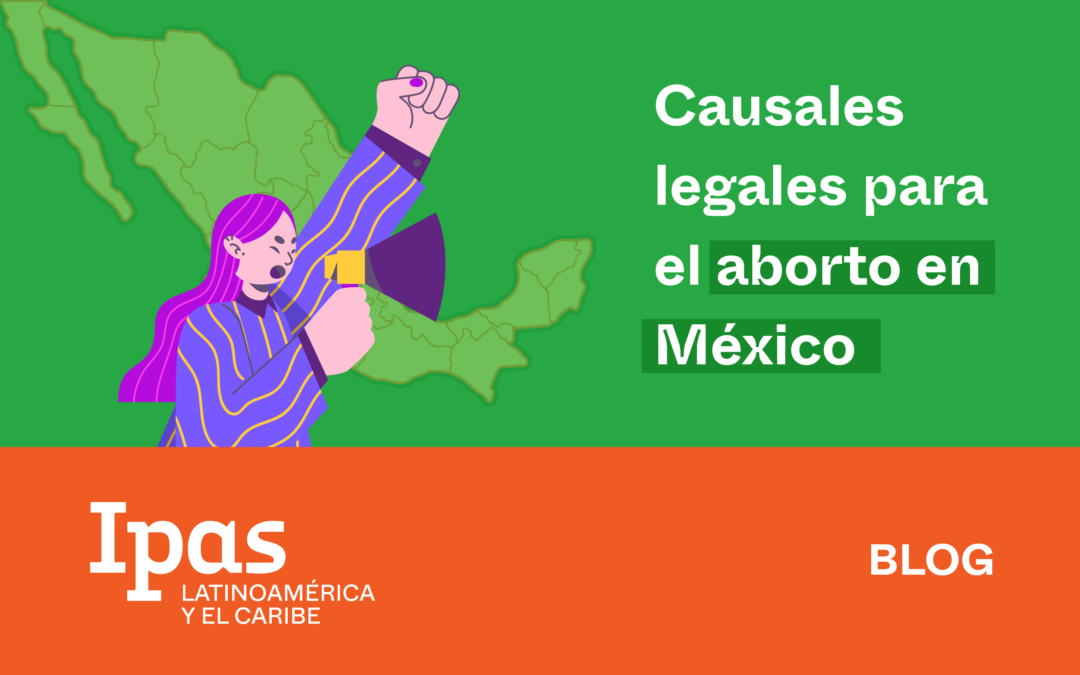
In Mexico, abortion is regulated by the Penal Codes of each state. Contrary to what is generally thought, abortion is a legal health service in the country and is decriminalized under certain situations or conditions, depending on the state of the Mexican Republic in which the termination of pregnancy is performed, so that people who have abortions and those who assist them in these cases cannot be punished for it.
by Itzel Olivera | Jan 23, 2026 | Abortion, legal and regulatory frameworks, Human rights, Safe Abortion, Self-managed abortion
Did you know that abortion is also self-care? Learn why deciding with information and support protects health and autonomy. Deciding is a human right.
by Ana Martha Sanchez | Jan 21, 2026 | Abortion, legal and regulatory frameworks, Abortion, myths and stigma, Human rights, Safe Abortion, Self-managed abortion
In the context of September 28th, Global Day of Action for Safe and Free Abortion, Latin America presents a diverse framework in the advance towards the defense of the right to decide. We observe in Argentina, Colombia, Cuba, Mexico and Uruguay more progressive laws that facilitate access to abortion and reflect the commitment to reproductive rights; as well as important initiatives in Chile and Ecuador, which seek the eradication of abortion from their penal codes. On a par with countries such as El Salvador, Haiti, Honduras, Nicaragua and the Dominican Republic, which maintain a position that criminalizes abortion in all circumstances.
by Ana Martha Sanchez | Mar 4, 2025
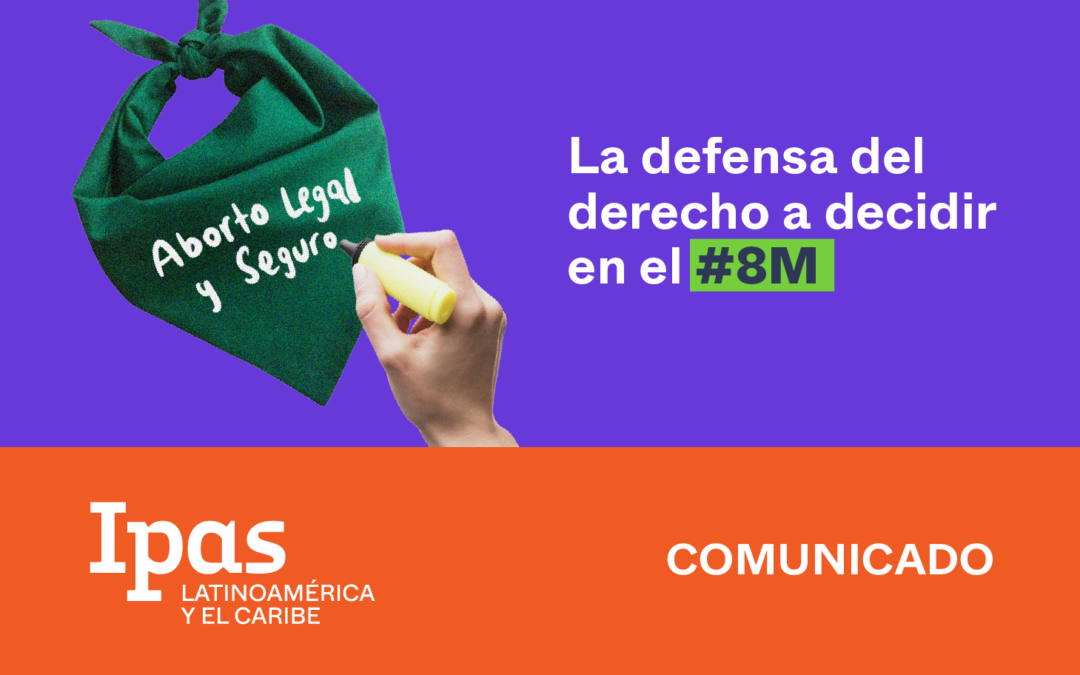
Under the slogan “Today and always, together forward,” on International Women’s Day, Ipas Latin America and the Caribbean (Ipas LAC) once again speaks out in favor of safe abortion, because when women and people with the capacity to bear children are denied the possibility of choosing over their own bodies, they are also denied their human rights; because when we talk about rights, we are talking about real lives.
by Ana Martha Sanchez | Mar 4, 2025 | Abortion, legal and regulatory frameworks, Abortion, myths and stigma, Human rights, Safe Abortion, Sexual and Reproductive Rights
Under the slogan “Today and always, together forward,” on International Women’s Day, Ipas Latin America and the Caribbean (Ipas LAC) once again speaks out in favor of safe abortion, because when women and people with the capacity to bear children are denied the possibility of choosing over their own bodies, they are also denied their human rights; because when we talk about rights, we are talking about real lives.
by Ana Martha Sanchez | Feb 20, 2025
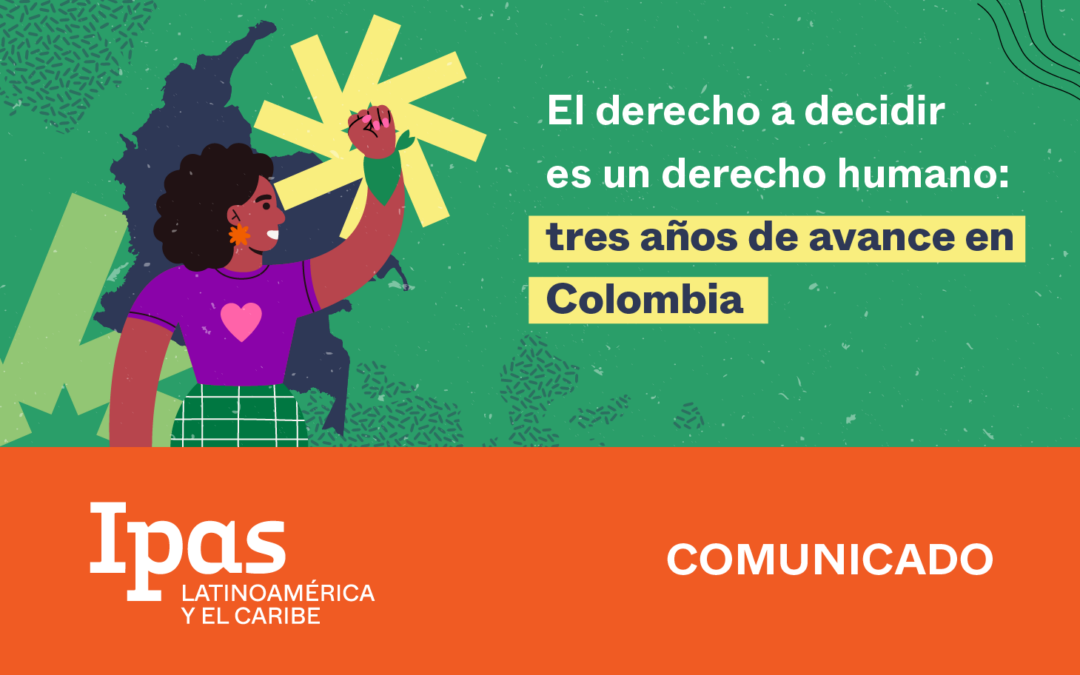
In 2022, Colombia became the first country in Latin America and the Caribbean to allow abortion up to 24 weeks and to recognize it as a right linked to the autonomy of women and persons with gestational capacity. In the first year of the ruling alone, the lives and health of 49,000 women and other persons with gestational capacity were protected, according to Profamilia figures.
Recent Comments